+86 755 33581900

Indoor Fixed LED Solution

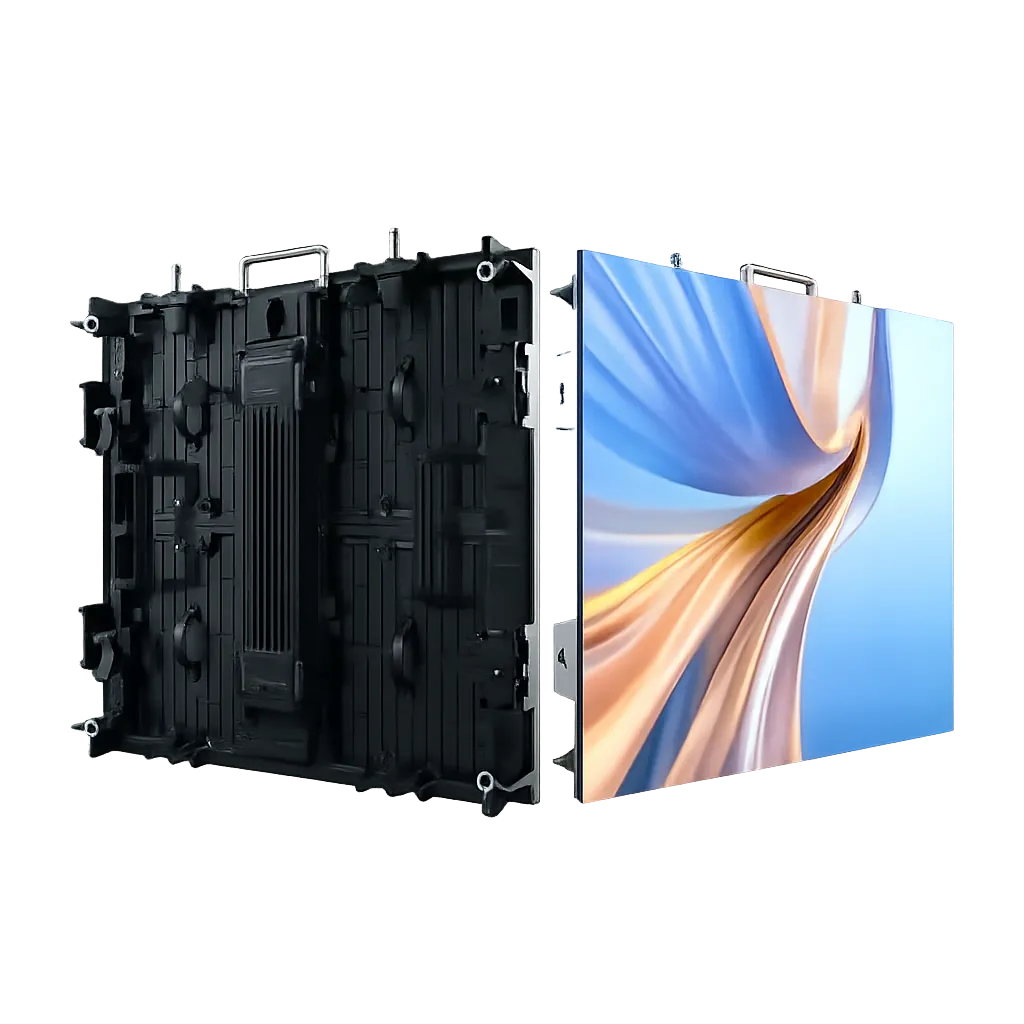
GX Indoor Fixed LED Display 47 mm Slim, Front-Service Design

A Flexible Platform for Permanent Indoor LED Walls

GX combines a 47 mm die-cast aluminum cabinet, eight cabinet formats and front-service access for retail, corporate, showroom and control-room installations. GX 1.95 supports closer viewing, while GX 2.6 is suited to larger walls viewed from farther away.

Best ForRetail, corporate and control-room installations.
Core AdvantageEight cabinet formats and front service.
ModelsGX 1.95 and GX 2.6.
GX indoor fixed LED display cabinet and module configuration
1.953 / 2.604Pixel Pitch (mm)
600Brightness (cd/m²)
7680Refresh Rate (Hz)
47Cabinet Depth (mm)
GX 47 mm slim die-cast aluminum LED cabinet profile
Cabinet Profile

47 mm slim cabinet

The 47 mm cabinet profile reduces hardware projection and supports cleaner integration into retail walls, corporate lobbies and architectural interiors. The finished wall depth will be greater than 47 mm because the supporting structure, cabinet-leveling allowance, cable bend radius and ventilation route must be included in the final section.

Engineering condition: approve the complete wall section before fabrication; cabinet depth and finished installation depth are not the same measurement.
GX die-cast aluminum cabinet flatness and module alignment detail
Mechanical Alignment

Flatness and seam alignment

The die-cast aluminum cabinet provides a rigid reference for cabinet flatness, module alignment, seam consistency and Z-axis alignment. Final image continuity also depends on cabinet leveling, connector engagement and supporting-structure tolerance; even a precise cabinet cannot correct a twisted or uneven installation frame.

Engineering condition: inspect the frame plane, cabinet seams and module edges before calibration data is applied and system commissioning begins.
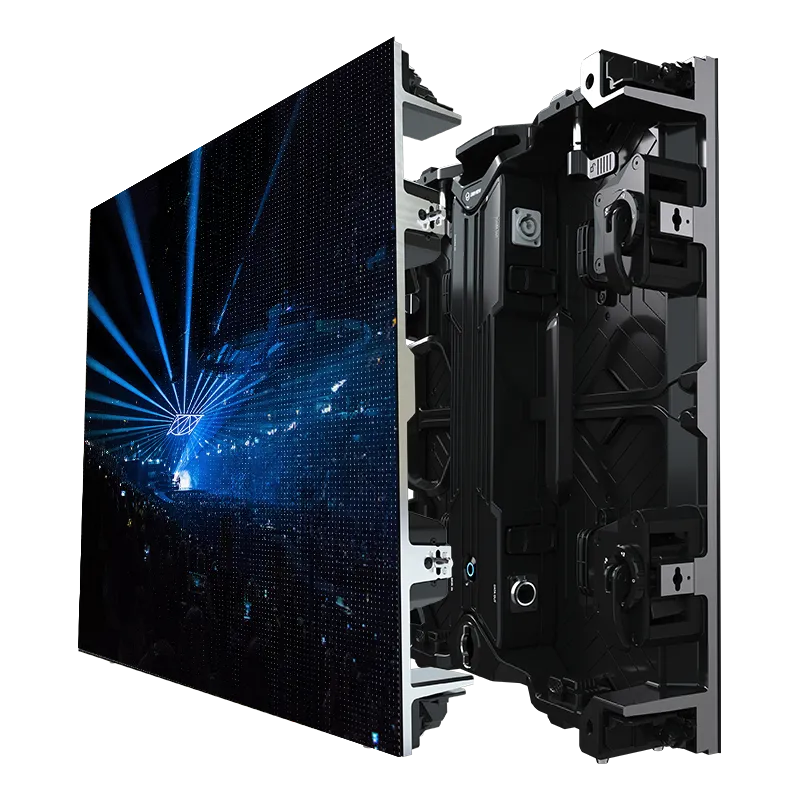
GX indoor LED display front-service access
Service Access

Full front-service access

GX supports front maintenance for LED modules and cabinet service components, making it suitable for wall-mounted installations where a rear service corridor is unavailable. External power and data distribution, cable terminations and control equipment must still be positioned where technicians can reach them safely.

Engineering condition: confirm module-removal clearance and define the service route for every component installed outside the LED cabinet.
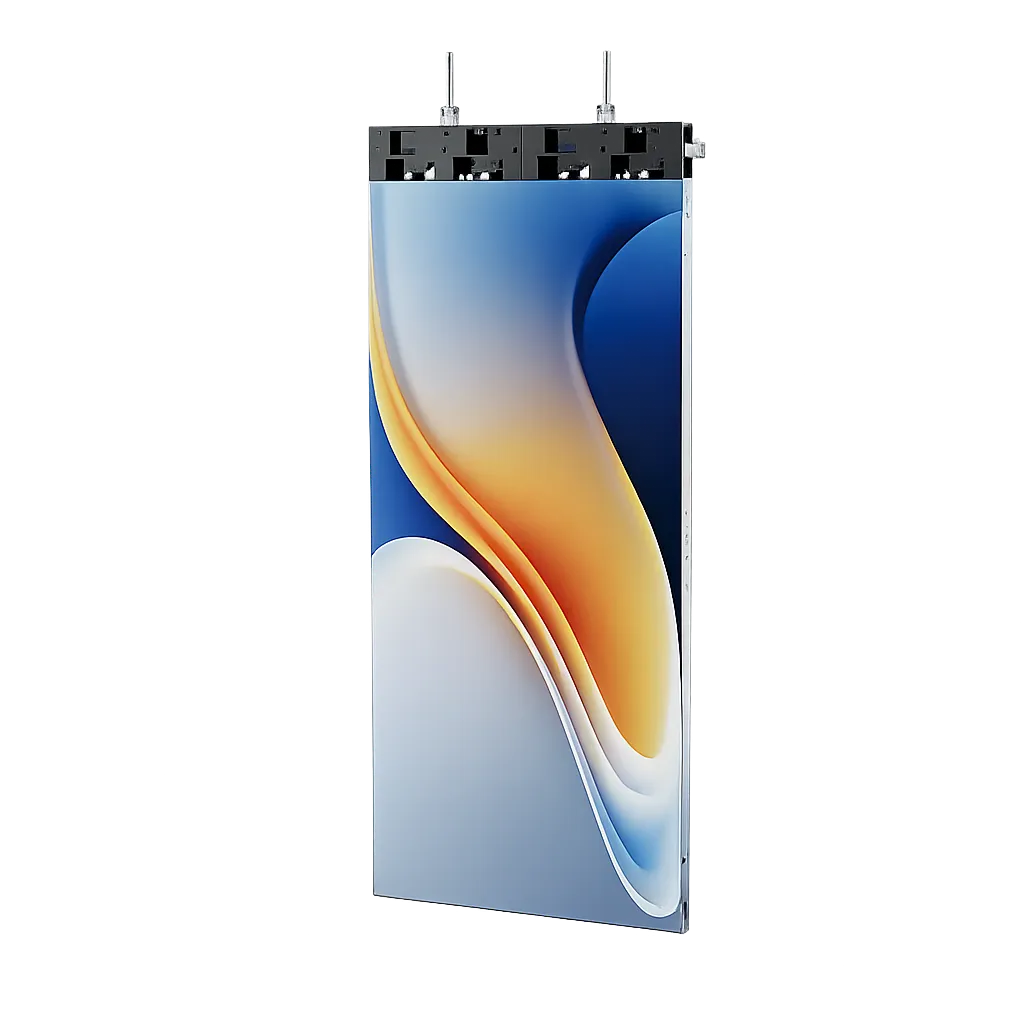
GX wall-mounted hanging and 90-degree corner installation options
Installation Options

Wall, Hanging &90° Corner Layouts

The cabinet platform supports wall-mounted and hanging fixed installations, with 90° corner configurations available for approved layouts. Corner projects require a confirmed cabinet map, module orientation, supporting-structure detail and content canvas so the physical corner, cabinet seams and digital image remain correctly aligned.

Engineering condition: Review cabinet orientation, corner structure and module alignment before production.
Engineering Workflow

Three checks before production

These checks reduce rework during installation and help the final wall meet the intended active display dimensions, native resolution and service requirements.

01

Cabinet Mapping

Convert the active display dimensions into a cabinet matrix. Confirm horizontal and vertical cabinet orientations, receiving-card loads, seam positions and the final pixel canvas before production.

02

Structure and Routing

Coordinate cabinet leveling, supporting structure tolerance, power and data distribution, cable bend radius and service access. The structure drawing should match the approved cabinet map.

03

Commissioning

Verify signal topology, receiving-card configuration, module alignment, calibration data, brightness settings and camera performance where filming is required. Record the final configuration for future service.

Applications

Indoor applications

GX is most relevant where the display is part of a permanent interior and the project team must coordinate viewing distance, wall depth and service access.

Luxury Retail

Supports large-format brand content without LCD bezels while keeping the cabinet profile suitable for fitted retail interiors.

Shopping Malls

Fits atriums, feature walls and tenant-facing visual installations where the screen operates for long daily schedules in controlled indoor conditions.

Airports and Hubs

Suitable for indoor passenger-information and commercial-media walls when viewing distance, ambient light and maintenance access are planned in advance.

Corporate Lobbies

Creates a permanent visual surface for brand communication, presentations and visitor information without a visible LCD bezel grid.

Control Rooms

Can support monitoring and information visualization where the selected pixel pitch matches the operator viewing distance and required content detail.

Brand Experience Centers

Allows custom wall dimensions and selected corner configurations for immersive content integrated into the architectural design.

Project Video

GX project video

The original project video is loaded only when it approaches the visible area to reduce competition with first-screen resources.

Hokkaido, Japan

Use project footage to evaluate image continuity, viewing distance and integration with the finished interior. Final product selection should still be based on the approved project parameters and cabinet layout.

GX eight cabinet dimensions for mixed-size indoor LED wall layouts
Cabinet Dimensions

Eight cabinet formats

The uploaded V.202608 GX specification lists eight panel dimensions. Mixed-size layouts can reduce filler areas and help match non-standard wall dimensions, but the cabinet map must also account for orientation, weight, structure and signal loading.

250×500×47 mmListed weight: 3.2 kg (7.05 lb) per cabinet.
250×1000×47 mmListed weight: 6 kg (13.23 lb) per cabinet.
500×250×47 mmListed weight: 3.2 kg (7.05 lb) per cabinet.
750×250×47 mmListed weight: 4.9 kg (10.80 lb) per cabinet.
1000×250×47 mmListed weight: 6 kg (13.23 lb) per cabinet.
500×500×47 mmListed weight: 5.8 kg (12.79 lb) per cabinet.
500×750×47 mmListed weight: 8 kg (17.64 lb) per cabinet.
500×1000×47 mmListed weight: 10.5 kg (23.15 lb) per cabinet.
Source note: values above are taken from the uploaded GX V.202608 specification. The source sheet states that specifications are for reference and actual values may vary.
Core Specifications

GX 1.95 and GX 2.6

Only the six core buyer and engineering parameters are shown. Values are taken directly from the uploaded GX V.202608 specification.

Swipe horizontally to compare models.

ParameterGX 1.95GX 2.6
Pixel Pitch1.953 mm2.604 mm
Brightness600 nit600 nit
Refresh Rate7680 Hz7680 Hz
Cabinet Size (W×H×D)250×500×47 / 250×1000×47 / 500×250×47 / 750×250×47 / 1000×250×47 / 500×500×47 / 500×750×47 / 500×1000×47 mm
Cabinet Weight250×500: 3.2 kg; 250×1000: 6 kg; 500×250: 3.2 kg; 750×250: 4.9 kg; 1000×250: 6 kg; 500×500: 5.8 kg; 500×750: 8 kg; 500×1000: 10.5 kg
Power Consumption (Max./Avg.)450 / 150450 / 150
Project Support

Fixed-installation project support

Technical support should convert the design intent into a cabinet map, structure requirement, power and signal plan, and commissioning checklist.

Solution Review

Review active display dimensions, viewing distance, target resolution, ambient light and installation method before model selection.

Cabinet and Load Plan

Prepare the cabinet mapping, known cabinet weights, structure interface and the items that still require confirmation.

Power and Signal Plan

Coordinate distribution, cable routes, control-system location, receiving-card mapping and redundancy requirements specified by the project.

Commissioning Support

Support alignment checks, configuration records, calibration data, brightness setup and handover documentation for future maintenance.

Buyer FAQ

Indoor LED Wall Questions Buyers Search Most

Six practical questions covering pixel pitch, viewing distance, indoor brightness, camera performance, project cost, front maintenance and installation depth.

01 How do I choose the right pixel pitch for an indoor LED wall?

Choose pixel pitch from the closest regular viewing distance, content detail and total screen size. GX 1.95 is the better starting point when viewers stand closer or the wall must reproduce smaller text and detailed graphics. GX 2.6 is more appropriate when the audience is farther away and the project prioritizes a larger display area or a lower total pixel count.

Before quotation, confirm the nearest viewing position, active display width and height, target resolution and the most detailed content that must remain readable.

02 Is 600 nits bright enough for an indoor LED display?

For controlled indoor environments, the GX listed brightness of 600 nit is intended for applications such as retail, malls, corporate lobbies and showrooms. Actual suitability depends on ambient light, nearby glazing, direct sunlight, reflections and the required white level.

For a project facing strong daylight or a glass storefront, evaluate the brightest real operating condition instead of selecting brightness from the nominal specification alone.

03 Is a 7680 Hz refresh rate good for cameras and video?

GX 1.95 and GX 2.6 are listed at 7680 Hz, which provides a strong starting point for camera-facing indoor LED applications. Final on-camera performance also depends on scan mode, receiving-card configuration, camera frame rate, shutter speed, brightness and calibration.

If the wall will be filmed regularly, test the actual production camera and intended shutter settings before final acceptance.

04 How much does an indoor LED video wall cost?

There is no reliable single price for a GX indoor LED wall because total project cost changes with pixel pitch, screen area, cabinet map, control system, supporting structure, power distribution, installation, freight and service requirements. A finer pitch normally increases pixel density and hardware cost, while larger screens increase cabinet quantity, structure and electrical requirements.

For an accurate GX quotation, provide the active screen dimensions, nearest viewing distance, project country, installation method, signal source, target resolution and site drawings or photos.

05 What is a front-maintenance LED display, and does it need rear access?

GX is designed for front service, allowing routine LED module and cabinet service access from the display face, so a conventional rear service corridor is normally unnecessary. The complete project still needs safe access to external power distribution, signal terminations, controllers and any equipment installed outside the cabinets.

Confirm module-removal clearance, front working space and the maintenance route before the supporting structure is finalized.

06 How much installation depth does a 47 mm LED cabinet need?

The GX cabinet itself is listed at 47 mm deep, but 47 mm is not the complete finished-wall depth. The installation must also allow for the supporting structure, leveling tolerance, cable bend radius, power and data routing, ventilation and construction tolerances.

Approve a complete wall-section drawing before fabrication, especially for recessed walls, architectural feature walls and installations with strict finished-depth limits.

Request a free quote

We shall provide you with a detailed quotation within 24 hours of receiving your enquiry.

Recommended products

GET A QUOTE

We will get back to you as soon as possible.